

හිත කට සහ
මාදිලි-2 දියවැඩියාව පිළිබඳ පරිණාමික, සමාජ, සංස්කෘතික, මනෝවිද්යාත්මක, ජීව විද්යාත්මක හා ව්යාධිවේදාත්මක තොරතුරු ඇතුළත් වෛද්ය විද්යාත්මක විග්රහය. ප්රචාරණය ඇතුළු විවිධ බාහිර බලපෑම් හා කෑදරකම නිසා සිත මෙහෙයවාගත නොහැකි මිනිසා, පහසුවෙන් සිරුරට අවශෝෂණය වන සැකසූ ආහාර වැඩි වැඩියෙන් පරිභෝජනය කිරීම නිසා ජනගහනයක ශරීර බර වැඩිවෙමින් පවතී. මේ නිසා සිරුර තුළ ව්යාධිජනක පරිවෘත්තීය ක්රියාවලීන් සිදුවේ. එමෙන්ම, අනවශ්ය නොවන විවිධ දේ ලබාගැනීමට පෙළඹී, මනස්තාපයෙන් පෙළෙන මිනිසාගේ ශාරීරික ක්රියාවලින් ද මීට වැදගත් දායකත්වයක් ලබා දෙනු ඇත.
රු960.00

මගේ නොවන මගේම
⭕ දරුවන් නොමැති ඇතැම් දෙමව්පියන් අන් අයෙකුගේ දරුවෙකු නීත්යානුකූලව ලබාගෙන තමන්ගේම දරුවෙකු ලෙස ආදරයෙන් හදාවඩා ගැනීම සැබැවින්ම උතුම්වූ සද්කාරයකි. එහෙත් එවැනි දරුවෙකු හදාවඩා ගැනීමේදී මතුවිය හැකි ගැටළු බොහෝමයකට එම දරුවන්ගේ පසුබිම ( පැටිකිරිය ) බලපාන බව බොහෝ මව්පියන් නොදන්නා හෙයින් පවුලක් වශයෙන් ජීවත්වීමේදී අනවශ්ය දුෂ්කරතාවලට මූණදීමට සිදුවිය හැක, මෙළෙස අන්ය වූ දරුවෙක් හදා වඩා ගැනිමේදී පිළිපැදිය යුතු බොහෝ කරුණු මෙන්ම යහපත් මානසික තත්වයක් යටතේ පවුල් දිවියක් ගත කිරීමටද අවශ්ය බොහෝ මනෝවිද්යාත්මක කරුණු ඉතා සරල බසින් මෙම ග්රන්ථයේ අඩංගු වේ. මනෝ වෛද්ය සරත් ප~ුවාවල මහතා විසින් රචිත මෙම කෘතිය අනුන්ගේ දරුවන් නිත්යානුකූලව හදා වඩාගන්නා දෙමව්පියන්ට අතිශයෙන්ම වැදගත් මෙවලමක් මෙන්ම මග පෙන්වන ආලෝකයක් ලෙසද සදහන් කළ හැක.
රු450.00
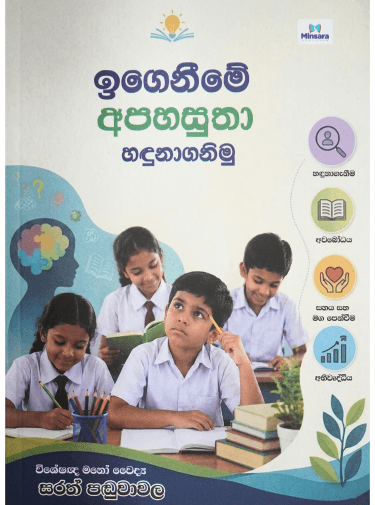
ඉගෙනීමේ අපහසුතා හඳුනාගනිමු
ඉගෙනීමේ අපහසුතා හඳුනාගනිමු විශේෂඥ මනෝ වෛද්ය සරත් පඬුවාවල දෑරුවන්ගේ මොළය හා ඥාන ශක්තිය වැඩි කළ හැකි යයි ප්රචලිත කරනු ලබන නොයෙකුත් වෙළඳ නිෂ්පාදන ඇතුළු අනෙකුත් බෙහෙත් හෝ විටමින් වර්ග භාවිත කර ඉගෙනීමේ අපහසුතාවලට ප්රතිකාර කළ නොහැකිය. මූලික වශයෙන් වැදගත් වන්නේ දරුවන්ගේ ඉගෙනීමේ අපහසුතාවන්ගේ ස්වභාවය විනිශ්චය කර ගැනීමත් ඊට උචිත පුනරුත්ථාපන කටයුතු කිරීමත්ය. ඇත්තෙන්ම සාර්ථක ප්රතිඵල ලබා ගැනීමට මුල් අවධියේදීම, එනම් දරුවා ප්රාථමික අධ්යාපනය ලබන මුල් වසර කිහිපයේදී මෙම පියවර ගැනීම සිදුවිය යුතුය. කිසියම් දරුවකුගේ වර්ධන පියවර සියල්ලම පාහේ සාමාන්ය පරිදි සිදුවූවත් වර්ධනයේ ප්රමාදයක් සිදුවන අවස්ථාවලදී, බොහෝ විට භාෂා හා කල්පනා පිළිබඳ අඩුපාඩු මතුවීමට පුළුවන. පෙර පාසල් අවධියේම මෙම තත්ත්වය ගැන සැලකිලිමත් වීම අනාගත ඉගෙනුම් අපහසුතා අවම කර ගැනීමට හේතු වනු ඇත. මෙවැනි අපහසුතා පසුව හරි යයි කියා බොහෝ දෙනෙකු බලාපොරොත්තු වෙති. නමුත් බහුතරයකගේ එය එසේ සිදු නොවන බව වටහා ගැනීම වැදගත්ය. වෛද්ය සරත් පඬුවාවල විශේෂඥ මනෝ වෛද්ය
රු680.00
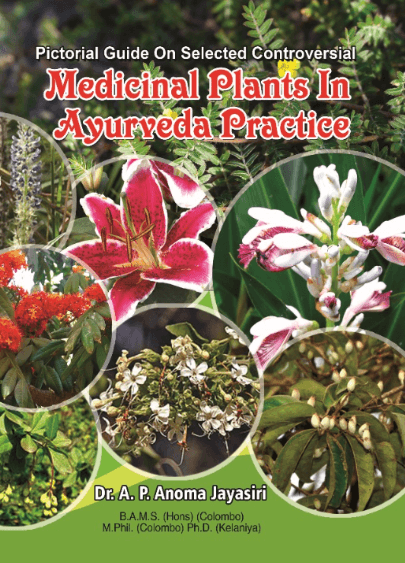
Medicinal plants in
Pictorial Guide On Selected Controversial Medicinal Plants In Ayurveda Practice This unique book by Dr. A. P. Anoma Jayasiri introduces readers to a carefully selected collection of rare medicinal plants used in Ayurveda practice many of which grow in Sri Lanka but are little known even among locals. Designed to bridge ancient knowledge and modern awareness, the book highlights the identity, distribution, and unique features of these plants, making them easier to recognize and use for healing. Each entry includes Sanskrit and scientific names, identification tips, and clear photographs to help in correct identification. It also discusses lesser-known plants, their substitutes, and challenges in naming and usage as found in traditional Ayurveda texts. Whether you’re a practitioner, researcher, cultivator, or simply curious about natural healing, this book is your key to understanding and identifying some of Ayurveda’s most powerful but overlooked plant allies.
රු1,200.00
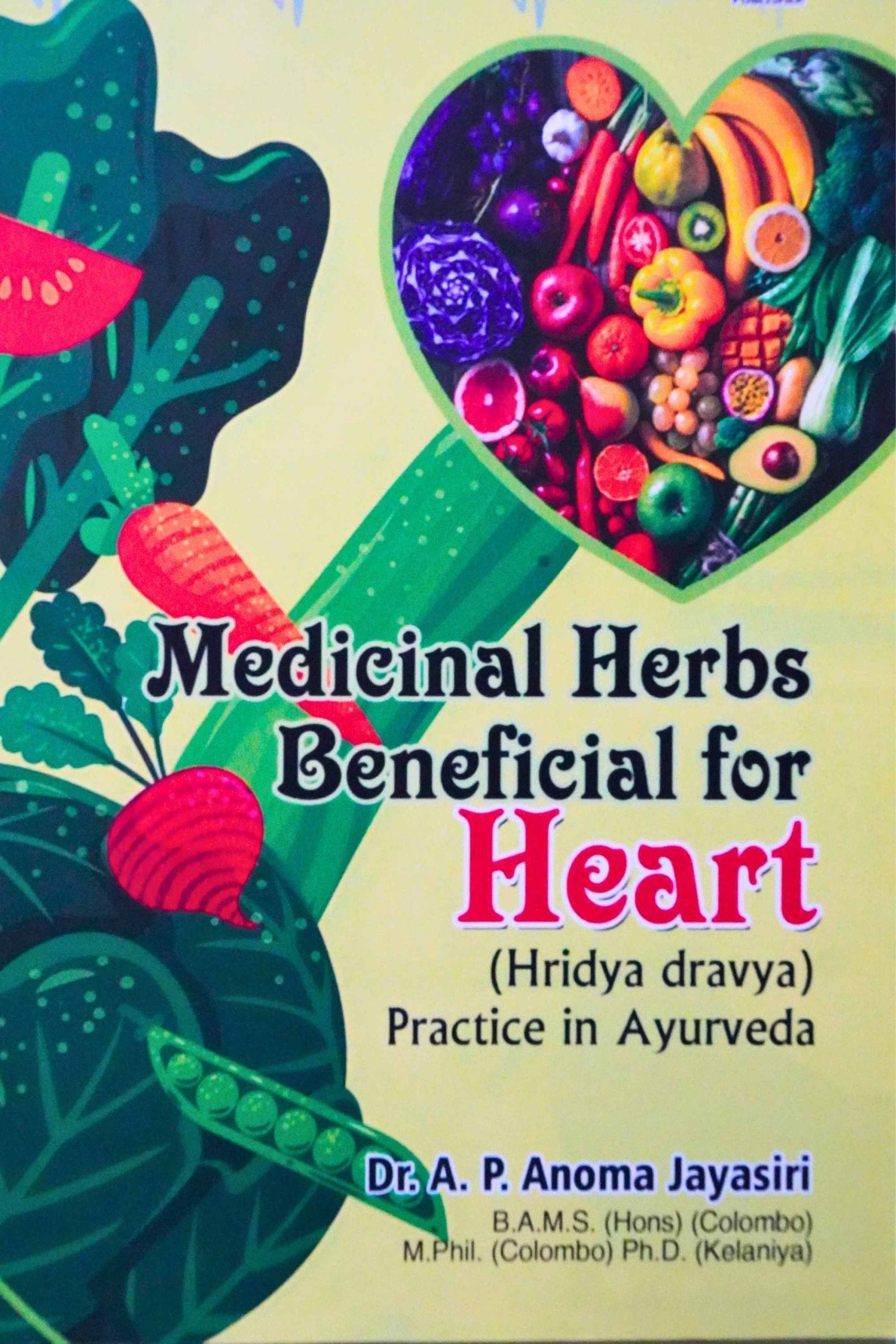
Medicinal Herbs Beneficial
Medicinal Herbs Beneficial for Heart (Hridya dravya) Practice in Ayurveda Dr. A. P. Anoma Jayasiri Heart disease is one of the world’s leading causes of sudden death, yet many natural remedies grow quietly around us. This book highlights important Ayurvedic medicinal plants that support heart helth and help prevent Hridroga. Drawing on classical Ayurveda texts and modern research, the author explains how each plant’s properties-Rasa (taste), Guna (qualities), Veerya (potency), Vipaka (biotransformation), and Prabhava (specific potency)-relate to its chemical composition and healing value. The structure and function of the heart are also presented through the lens of the three Dosas, offering deeper insight into heart physiology. Each plant is introduced with its botanical identity, Sri Lankan names, and traditional uses, including lesser-known species whose benefits remain underused. These insights open new possibilities for students, practitioners, and researchers. Clear, practical, and evidence-based, this guide is ideal for anyone seeking natural ways to protect and strengthen the heart.
රු590.00
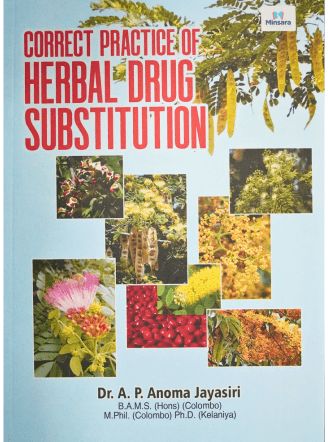
Correct Practice of
Dr. A. P. Anoma Jayasiri With the global rise in demand for natural remedies, ensuring the quality, safety, and authenticity of herbal medicines has become a critical challenge. Correct Practice of Substitutes in Drug Industry offers a clear and insightful exploration of substitution and adulteration. The book examines the key reasons behind substitution, including the scarcity of authentic plant sources, environmental pressures, and gaps in cultivation and supply chains. It carefully distinguishes scientifically acceptable substitution from harmful adulteration, highlighting their impact on drug quality and standardization. Integrating traditional Ayurvedic wisdom with modern scientific evaluation, this work provides practical guidelines for identifying, validating, and standardizing suitable substitutes without compromising therapeutic value. It also emphasizes the importance of awareness, training, and responsible practices across the industry.
රු660.00
