

උපන්දා සිට බාල
උපන්දා සිට බාල විය මාර්ටින් වික්රමසිංහයන් 1961 වසරේදී ලියා පළ කළ උපන් දා සිට ග්රන්ථය, බාල විය, තරුණ විය, මැද විය යන කොටස් තුනකින් යුතු ය. එහි මුල් කොටස වන බාල විය වෙනම පොතක් ලෙස පළ කරන ලද්දේ පාසල් දරුවන් සඳහා වූ අතිරේක කියවීම් පොතක් වශයෙන් එහි ඇති වැදගත්කම සලකා ගෙන ය. මාර්ටින් වික්රමසිංහයන්ගේ ලේඛක ජීවිතයට පසුබිම් වූ පරිසරය හා ක්රියාකාරකම් හැදෑරීමේ දී, දරුවන්ට පමණක් නොව, වැඩිහිටියන්ට ද මෙම පොත බෙහෙවින් ප්රයෝජනවත් වනු ඇත.
රු400.00

අම්මා – Amma
අම්මා – සෙනෙහසේ නවාතැන මවකගේ උත්තරීතර ප්රාර්ථනය තම දරුවාට නිරෝගී බුද්ධිමත් සුන්දර ලොවක් හිමිකර දීමයි. වර්තමානයේ සෑම මවක්ම දැඩි මානසික පීඩනයකින් යුක්තව තම දරුවන් හදා ගැනීමට වෙහෙසෙති. දරුවා මෙලොව පිළිසිඳ ගත් දින පටන් නව යොවුන් වියට පා තබන මොහොත දක්වා දෙමාපිය කාර්යභාරය ‘අම්මා – සෙනෙහසේ නවාතැන’ යන්නෙන් මනෝවිද්යාත්මක කාර්ය රසාස්වාදී උපදෙස් ඇතුළත් කෘතිය සෑම මවකටම පහසුවෙන් කියවා තේරුම් ගත හැකි ලෙස කතුවරිය වන නයනා දමයන්ති ගුණවර්ධන අපූර්ව ලෙස පෙළ ගස්වා ඇත. දරුවා හදාවඩා ගන්නා ආකාරය, නිවැරදි මඟ පෙන්වීම, යහගුණ උපදෙස්, කුසලතා, පෞරුෂ වර්ධනය හා විවිධ අභියෝග ජයගන්නා ආකාරය මනෝවිද්යාත්මකව මවකට ඉතා සරලව අවබෝධ කර දෙයි. ශ්රී ලංකා පදනම් ආයතනයේ අධ්යක්ෂකවරයා වශයෙන් සේවය කරන කාලයේ දැනට වසර දහයකට පෙරදී මට මුණගැසෙන මෙම අපූර්ව කර්තෘවරිය, විශාරදවරිය, ජාතික අධ්යාපන ආයතනයේ කථිකාචාර්යවරිය මා හට මුණගැසුණු සමීපතමයින් අතර ඉදිරියෙන්ම සිටී. සෑම මවකටම මෙම ග්රන්ථය අභියෝග රැසකට පිළිතුරු සපයයි. ආචාර්ය සමන් වීරවංශ මනෝ විශ්ලේෂක වරලත් ජීව විශේෂඥ
රු690.00

Salman Khan :
HE BREAKS RULES, HEARTS AND RECORDS As Prem, the nation’s first love; as Bajrangi, the unlikely hero who saved the day and brought kindness back in vogue; as Tiger, the action king who redefined machismo for a new India, Salman Khan is the only Bollywood superstar who has ruled romance, comedy and action with equal ease and style. While critics share the perfect love-hate relationship with him, for his fans—who flock to the theatres with every new release, their loyalty unquestionable, their excitement unbridled—nothing can match the anticipation of a new film starring Salman Khan. His signature swagger, magnetic charm and larger-than-life persona have fascinated moviegoers film after film. In Salman Khan: The Sultan of Bollywood, through fan interviews, never-before-seen photos and insights from long-time collaborators of the star, the author has put forward an ode to the actor who has made an impact on pop culture like no other. Through controversies and comebacks, blockbusters and hard life lessons, Salman has remained cinema’s wild heart and its last true mystery—perhaps the only superstar of his kind that India will ever see. ISBN – 9789373070100
රු2,999.00
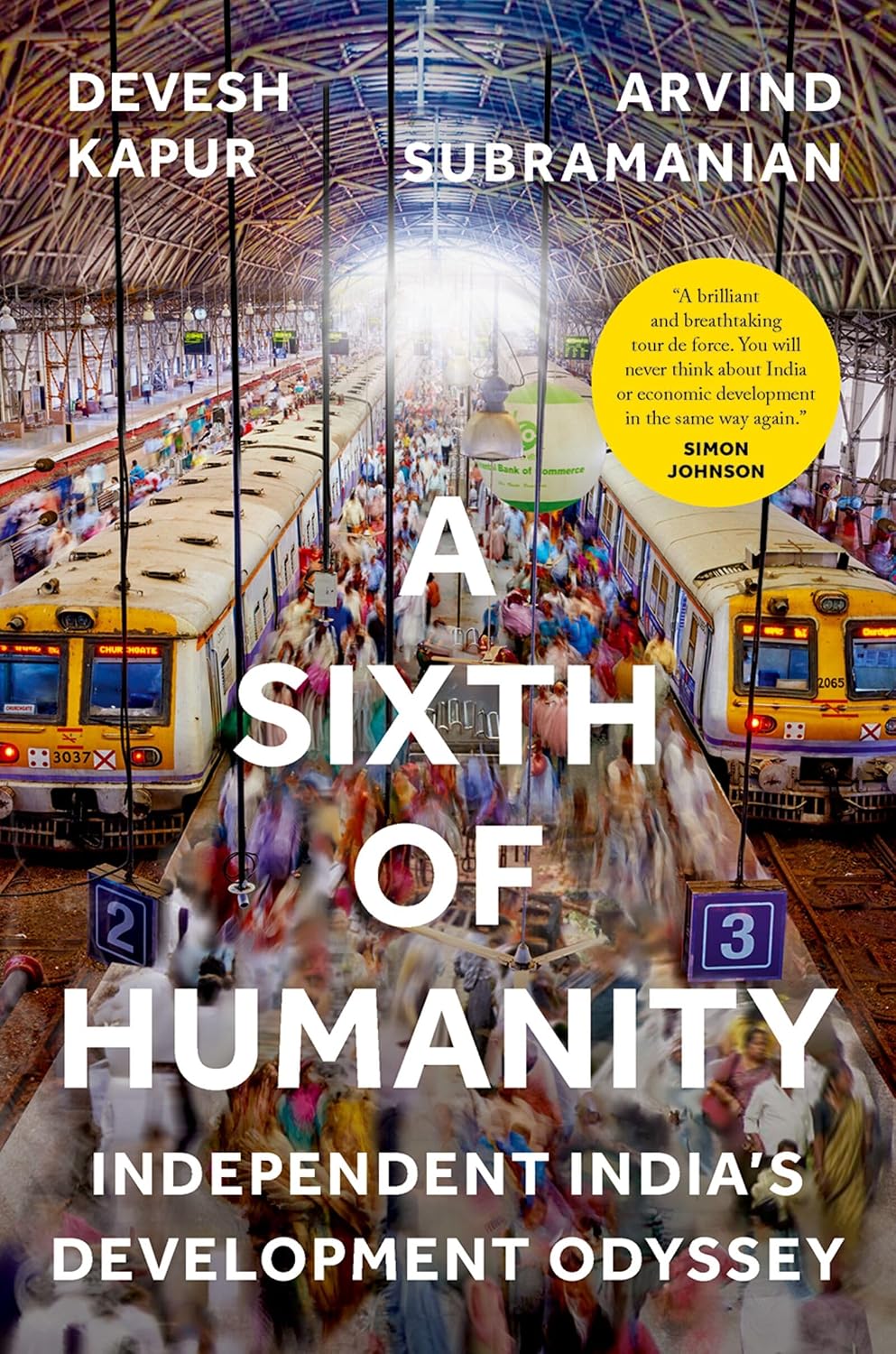
A Sixth of
India’s journey has been distinctively precocious among its peers. It opted for democracy before development and social change, promoted high-skilled services before and over low-skilled manufacturing, and chose a globalization that favored the export of talented people and short-changed the poor. Its socialist state became an inefficiently capitalist one before providing the public goods of physical infrastructure and human capital. The outcomes have been surprising, with the country achieving success in creating and sustaining democracy, albeit flawed, and maintaining a degree of social and political order. Four decades of economic dynamism and the emergence of a more capable Indian state has given it the ability to build infrastructure and deliver the essentials of life to its population at scale. However, just as India’s aspiration has lifted to building world-class statues, temples, bullet trains, airports and digital systems, the undermining of some of its real achievements of democracy, federalism and nation-building still stand in the way. As the world gets radically upended, India’s development odyssey sits at a critical juncture. In A Sixth of Humanity, Devesh Kapur and Avrind Subramanian trace how one of the world’s largest and most diverse countries uniquely attempted four concurrent transformations: building a state, creating an economy, changing society and forging a sense of nationhood. In outlining its past by drawing on deep archives of political and economic policy documents spaning over 75 years, Kapur and Subramanian provide a compelling picture of the state of India’s political economy and the crossroads it now faces.
රු6,499.00
